Why prevention matters as much as treatment
Nail fungal infections (onychomycosis) have a notoriously high recurrence rate even after successful treatment. Published studies report recurrence rates of 20-50% within two years of treatment, even with pharmaceutical antifungal medications that achieved confirmed mycological cure. The fungal organisms responsible for most nail infections — primarily Trichophyton rubrum and Trichophyton interdigitale — are environmental organisms that remain present in footwear, shower floors, pool areas, and gym changing rooms long after an infection is cleared.
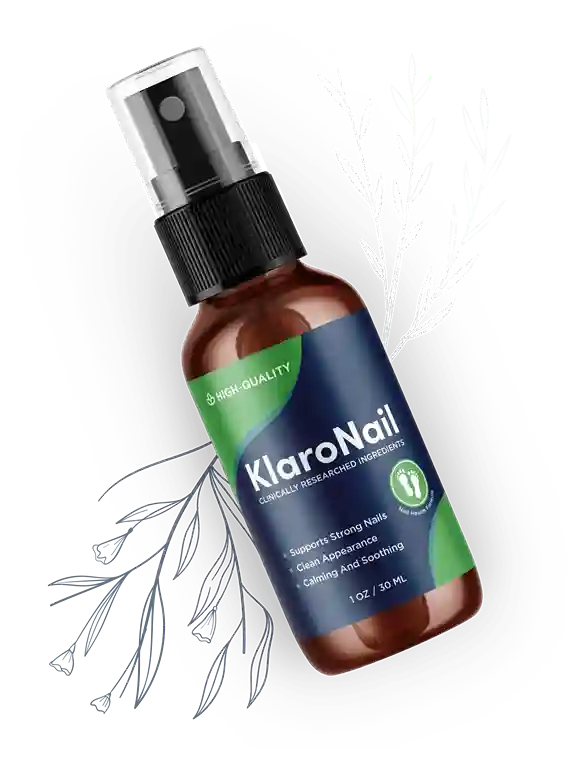
This recurrence reality means that prevention-oriented daily habits are as important as any treatment product. A daily natural topical spray like KlaroNail, used consistently, addresses both treatment support and ongoing preventive maintenance simultaneously — a dual role that single-use treatment approaches cannot fulfill.
Daily hygiene and moisture control
Moisture is the single most important environmental factor in nail fungal infection. Fungi thrive in warm, moist conditions — and feet enclosed in shoes throughout the day create exactly this environment. The most impactful daily prevention habit is thorough drying of feet after bathing or showering, particularly the spaces between toes where moisture accumulates. Pat with a towel and allow air-drying for several minutes before putting on socks.
Change socks daily and choose breathable natural fibres (cotton, wool) or moisture-wicking synthetic blends designed for athletic use. Socks that retain moisture against the foot skin create the warm-moist microenvironment that supports fungal proliferation. If feet sweat heavily during the day, carrying a spare pair of socks for mid-day changing is one of the most practical prevention steps available.
View the KlaroNail formula and current pricing on the official site.
〈 View KlaroNailFootwear and environment
Footwear is a significant reservoir for nail fungal organisms. Fungi can survive in shoes for many months after an infection has been treated. Treating footwear alongside nail treatment is an evidence-supported approach to reducing reinfection risk. Antifungal shoe sprays, UV shoe sanitisers, and leaving shoes in sunlight to dry are all practical approaches. Rotating footwear (allowing each pair 24-48 hours to dry completely between wears) significantly reduces the moisture environment inside shoes.
High-risk environments for nail fungal exposure include: public swimming pools and pool surrounds, gym changing rooms and shower areas, nail salons (particularly during pedicures if tools are not properly sterilised), and communal showers. Wearing flip-flops or shower shoes in these environments reduces direct contact with contaminated surfaces. This is one of the simplest and most effective preventive measures available.
Diet and immune support
The immune system plays an important role in resistance to nail infections. Individuals with compromised immune function — including diabetics, those on immunosuppressive medications, and those with chronic illness — have significantly higher rates of nail fungal infection. Supporting immune health through adequate nutrition, sleep, and stress management is therefore a relevant background strategy for nail fungal prevention.
Dietary factors with some evidence for nail and skin health include: adequate zinc intake (supports immune function and nail plate integrity; zinc deficiency is associated with nail changes), vitamin D sufficiency (important for immune regulation), reduced refined sugar intake (fungi have a particular affinity for sugar-rich environments), and probiotic support (the skin microbiome contributes to local immune defence against pathogenic organisms including fungi).
Maintaining results with KlaroNail
After initial nail treatment, KlaroNail is well-positioned as a daily preventive maintenance spray. The natural antimicrobial properties of Tea Tree Oil, Undecylenic Acid, and Clove Bud Oil provide ongoing environmental resistance at the nail surface. The skin-soothing and barrier-supporting ingredients (Manuka Honey, Aloe Vera, Vitamin E) maintain the skin around nails in a healthier, less susceptible condition. The nourishing carrier oils support nail plate health and flexibility, reducing the micro-cracks and separations that allow fungal entry.
A daily preventive routine with KlaroNail is most effective when combined with the environmental and hygiene habits above. No topical product can compensate entirely for regular reexposure to fungal organisms in contaminated environments — but consistent daily use creates an ongoing natural defence at the nail surface that supports sustained results.
Keep reading
More on the KlaroNail blog. Official site for pricing.